
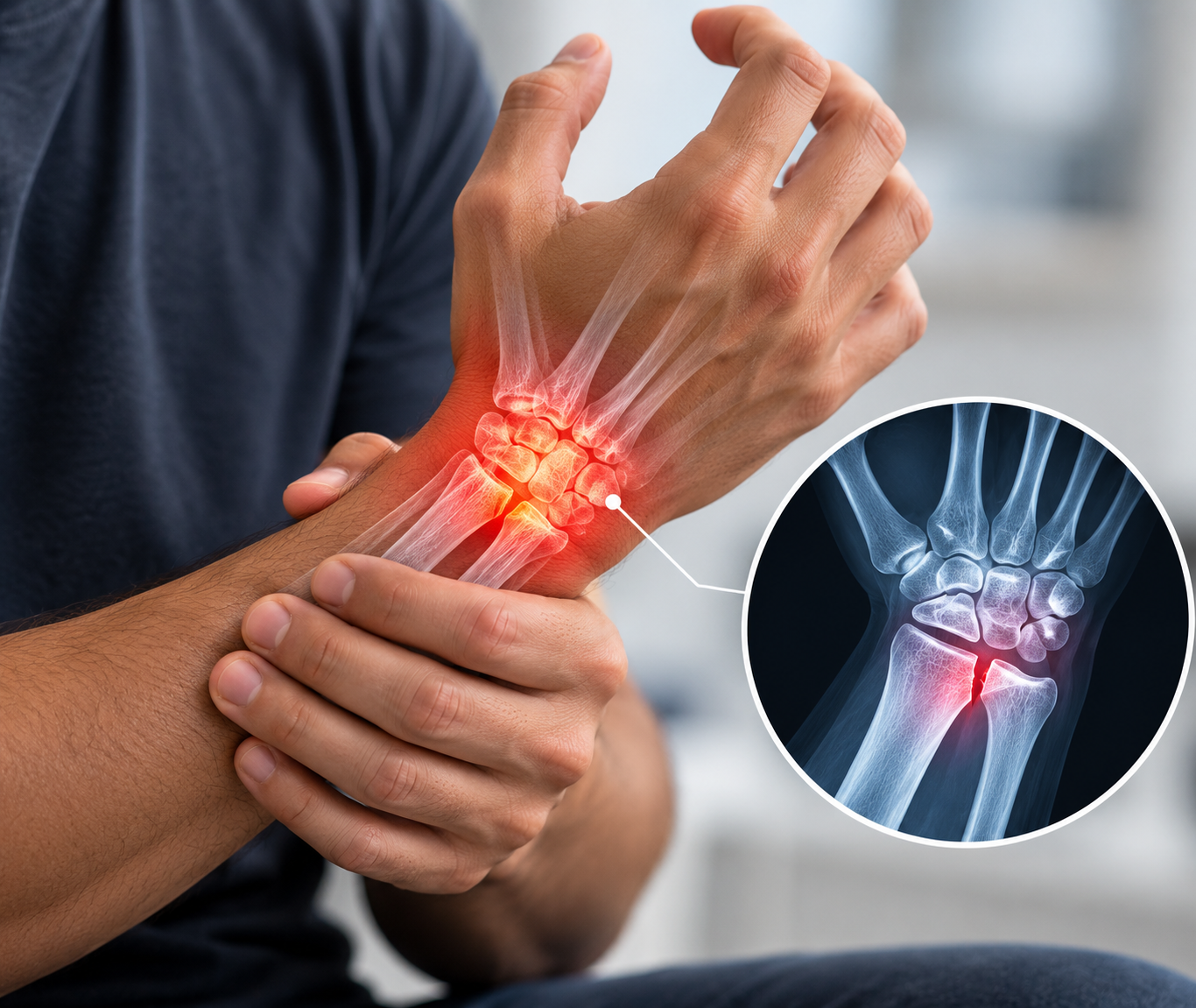
For severe fractures, ligament tears, and complex joint injuries, timely hand and wrist trauma surgery is essential to restore fine motor control and grip strength. Guided by the Best joint replacement surgeon Bhadrak Nayagarh Bhubaneswar, our clinic provides precision reconstruction and structured rehabilitation to help you regain full, pain-free hand function.
Restore strength and mobility with advanced hand and wrist trauma surgery. Led by the Best joint replacement surgeon Bhadrak Nayagarh Bhubaneswar, we offer expert fracture fixation and joint preservation tailored for lasting recovery.
Severe injuries to the delicate bones, ligaments, and tendons of the hand require urgent intervention.
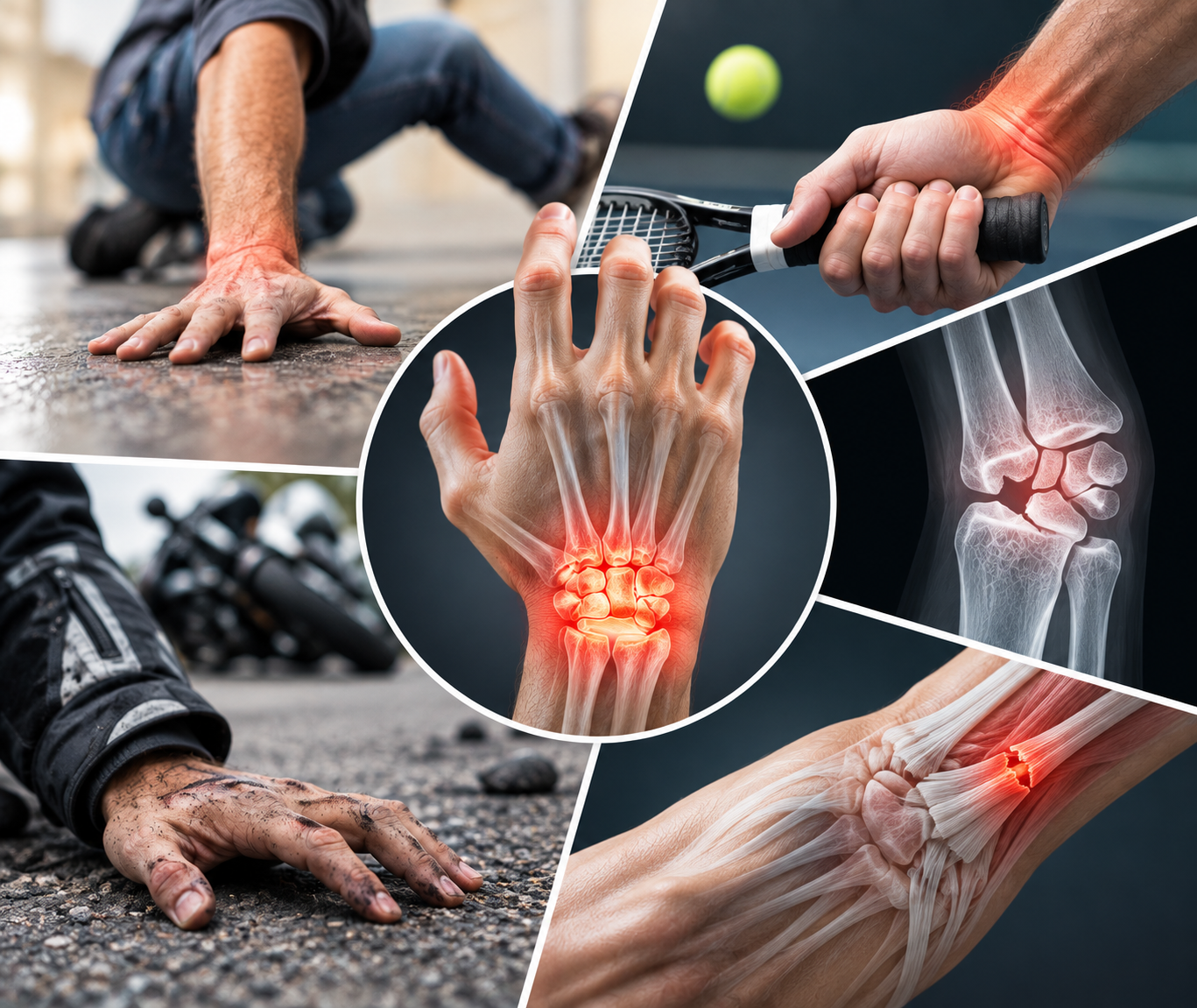
Complex Fractures: Smashed or displaced bones in the wrist, palm, or fingers.
Tendon & Ligament Tears: Cuts or sudden ruptures that prevent fingers from bending or straightening.
Severe Dislocations: High-impact falls or vehicle accidents knocking wrist joints out of place.
Nerve & Vessel Damage: Sharp trauma causing loss of feeling, tingling, or blood flow issues.
Expert Care: Evaluation by the Best joint replacement surgeon Bhadrak Nayagarh Bhubaneswar ensures proper bone alignment and joint preservation.
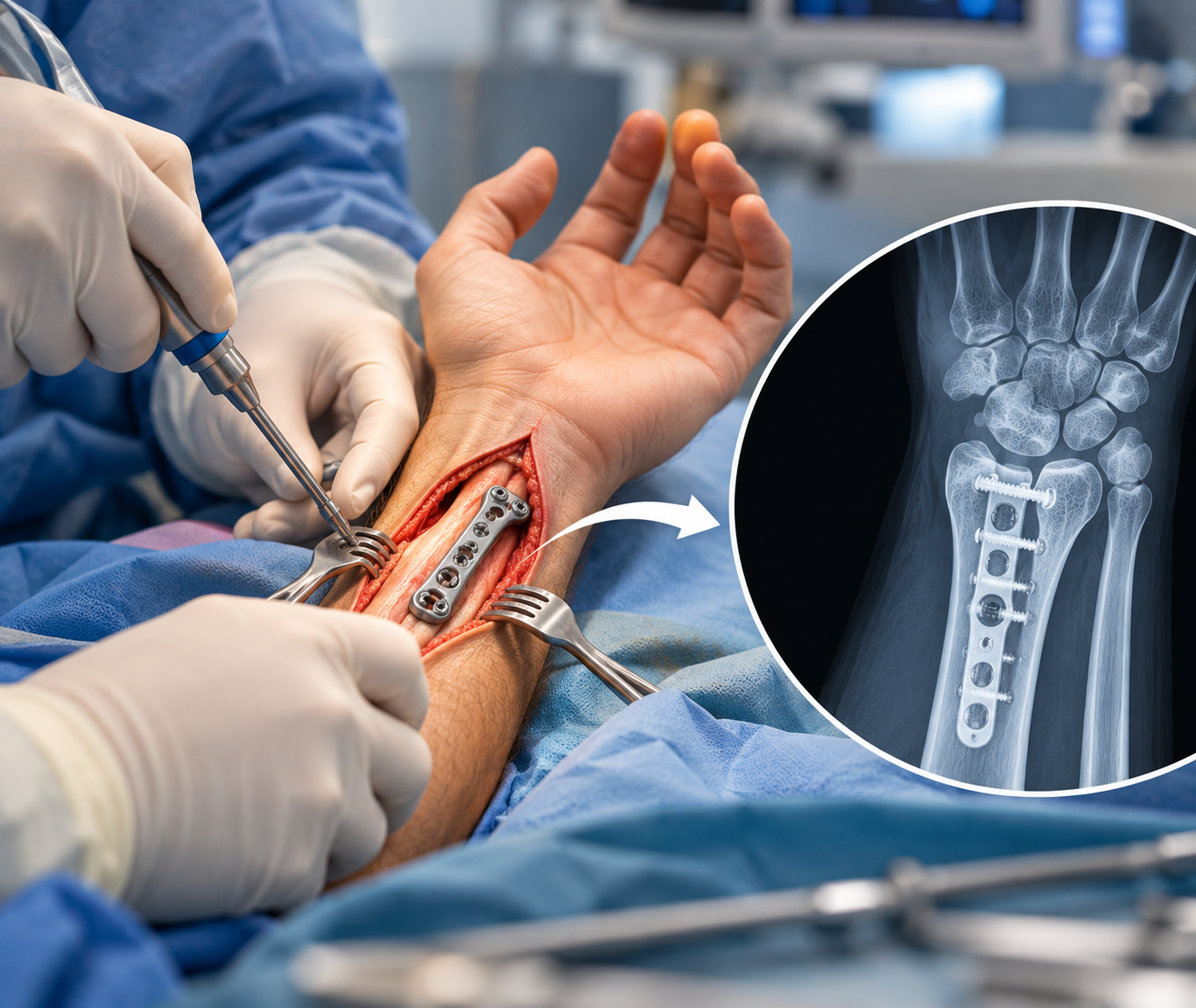
The procedure focuses on stabilizing broken bones and repairing delicate soft tissues.
Detailed Imaging: X-rays and CT scans identify exact bone shifts and joint instability.
Gentle Incision: Made along natural skin creases to minimize scarring and protect fine nerves.
Anatomical Alignment: Broken fragments in hand and wrist trauma cases are carefully repositioned.
Internal Fixation: Miniature titanium plates, pins, or screws secure bones firmly.
Tissue Repair: Cut tendons and torn ligaments are sutured back into correct tension before closure.
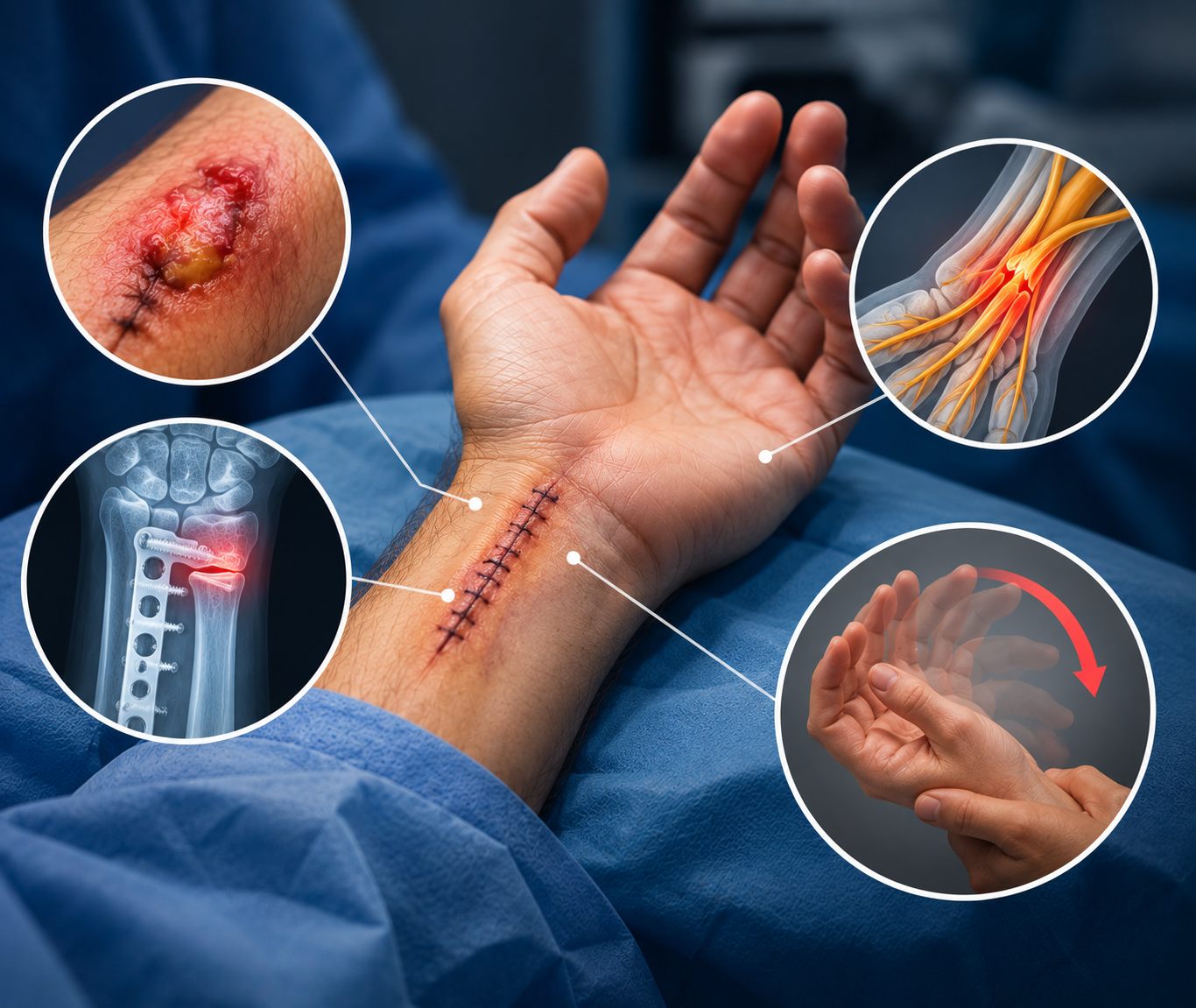
Every surgical procedure carries potential risks that are closely monitored and managed.
Joint Stiffness: Common after hand surgery, managed with prompt, guided therapy.
Infection: Prevented through sterile surgical technique and short courses of antibiotics.
Nerve Irritation: Temporary numbness or tingling that usually settles as swelling drops.
Delayed Bone Healing: Occasional slow union requiring temporary splint adjustments.
Implant Sensitivity: Screws or small plates may sometimes feel palpable under thin skin.
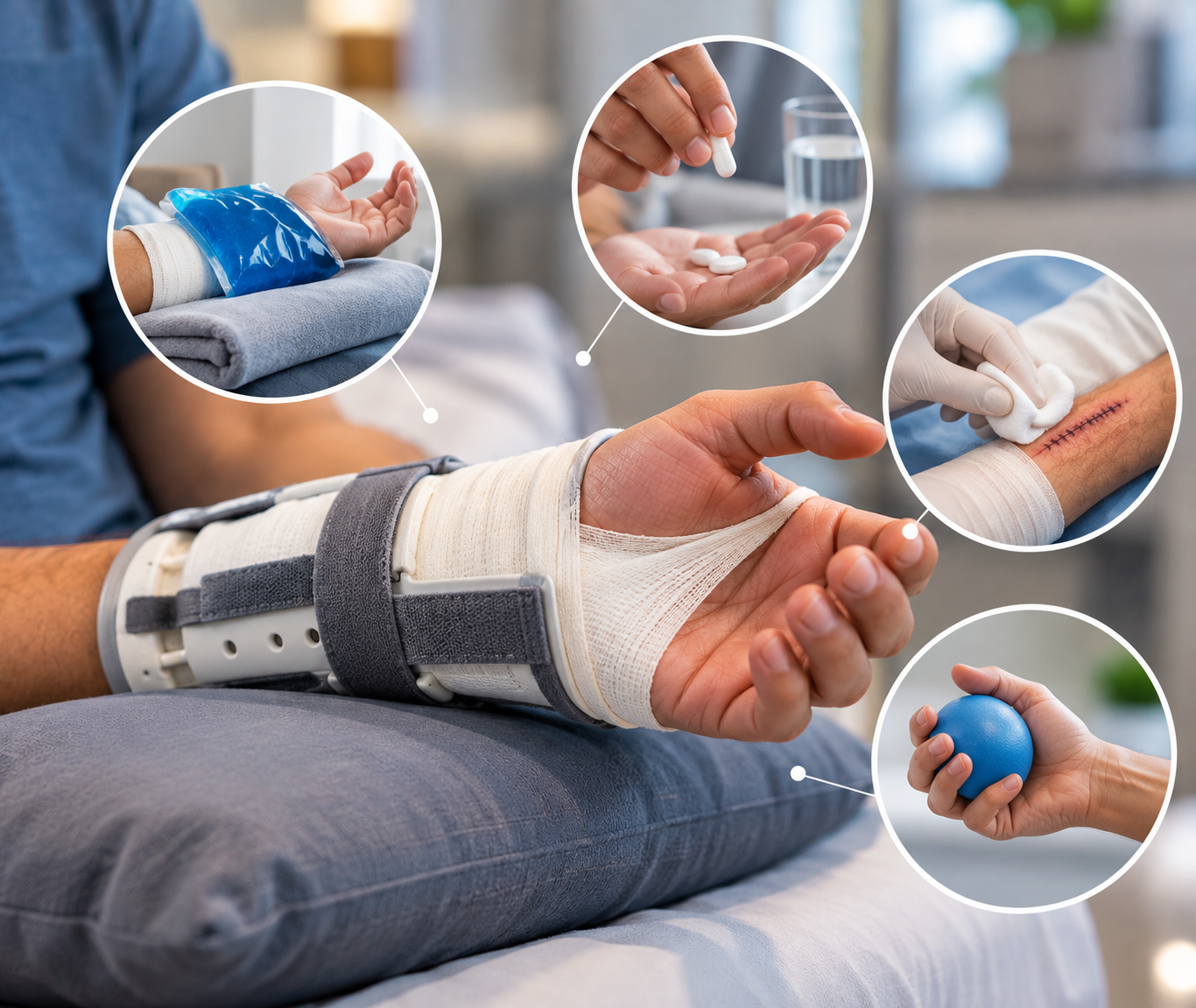
Initial post-operative care focuses on swelling reduction and protecting repairs.
Splint or Cast Protection: Keeps the hand and wrist completely still while tissues mend.
Hand Elevation: Keeping the hand propped above heart level stops severe swelling and throbbing.
Pain Management: Prescribed medications keep early discomfort manageable.
Clean & Dry Dressings: Protecting bandages prevents contamination and infection.
Gentle Finger Movement: Moving uninjured fingertips prevents tendon stiffness from day one.
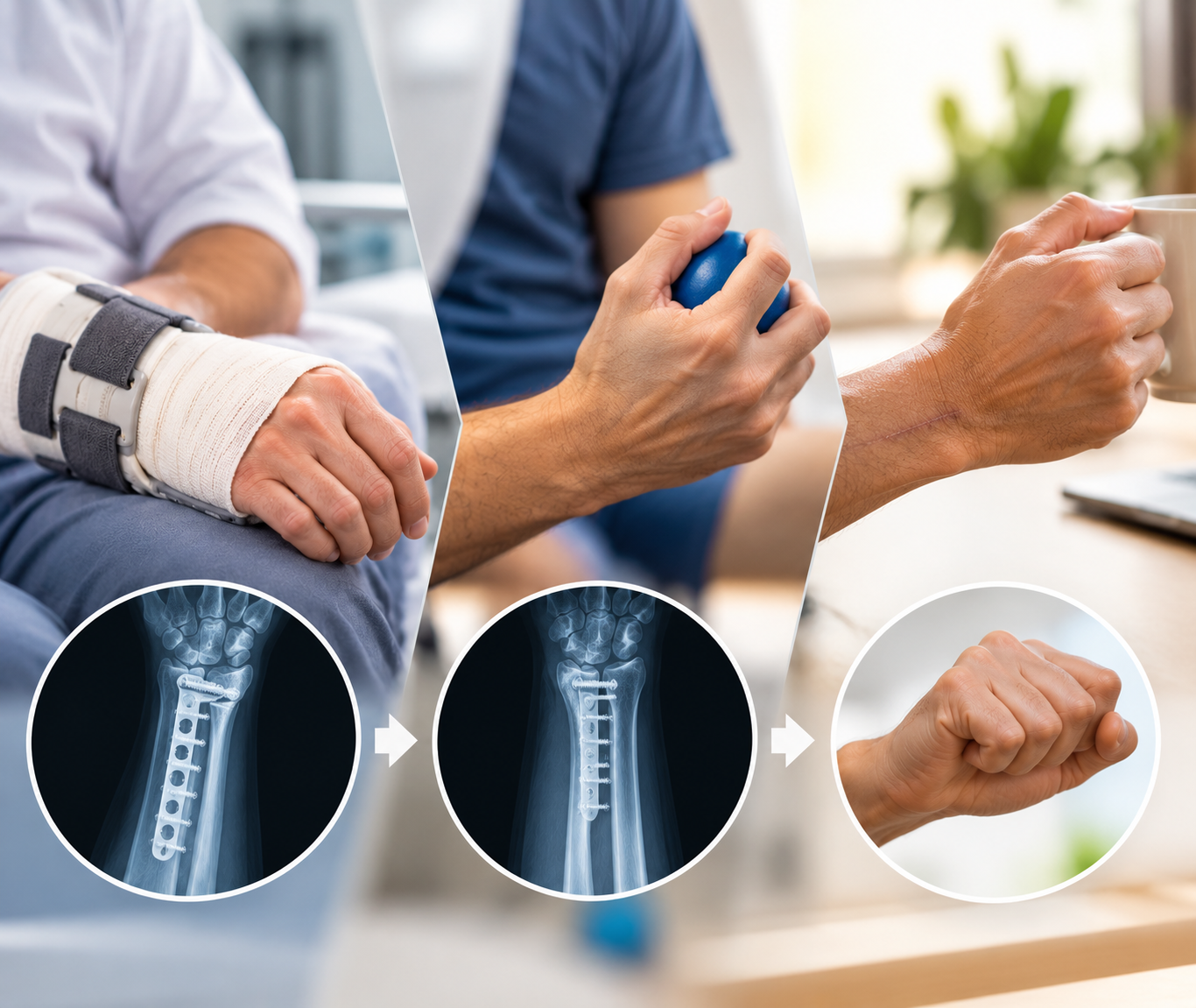
Structured recovery helps restore fine motor skills, grip strength, and daily hand function.
Splint Removal: Immobilization is usually replaced by a light removable brace after 2 to 6 weeks.
Hand Therapy: Specialized exercises restore wrist bending, rotation, and finger pinching.
Swelling Control: Compression wraps and massage help soften surgical scar tissue.
Strengthening: Gradual resistance exercises rebuild grip power for lifting and daily tasks.
Follow-Up Reviews: Routine checks ensure solid bone healing and return to full function.
Complex fractures, joint dislocations, cut tendons, and nerve injuries in hand and wrist trauma need surgery to restore proper grip strength, flexibility, and daily hand function.
Severe injuries demand high reconstructive precision; the Best joint replacement surgeon Bhadrak Nayagarh Bhubaneswar provides expert joint alignment, ligament repair, and joint preservation to prevent long-term arthritis.
Patients wear a splint for 2 to 6 weeks, followed by guided hand therapy, regaining functional hand strength and movement within 2 to 3 months.
Yes, misaligned bones and neglected joint trauma accelerate cartilage wear, but timely anatomical repair protects joint surfaces and reduces arthritis risks.
Copyright © 2026 | The Bone and Joint Clinic