
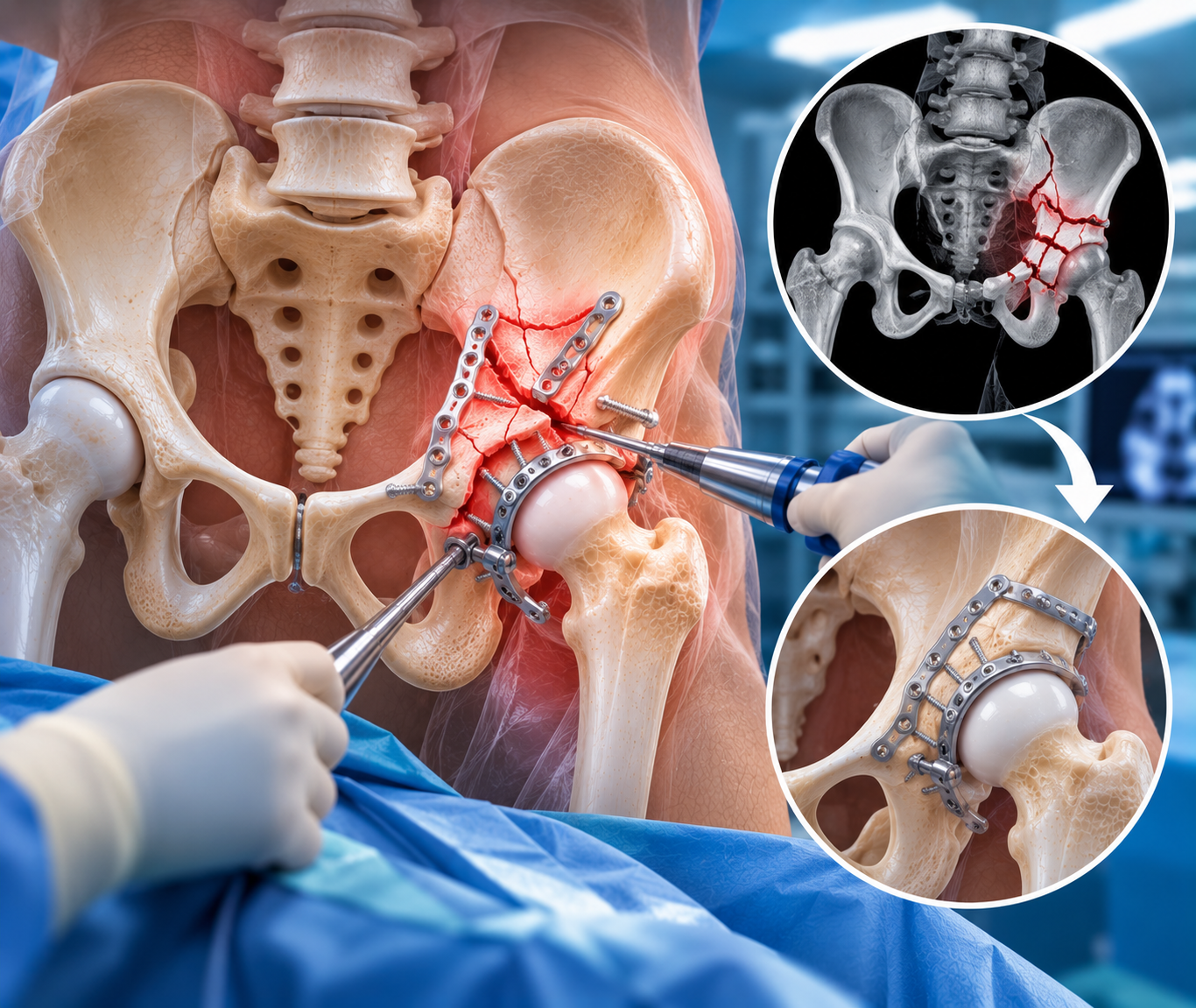
Severe hip fractures and pelvic ring disruptions require specialized surgical precision. For patients suffering from complex high-impact injuries, timely treatment for pelvis and acetabulum trauma is crucial to restore anatomical alignment, prevent long-term arthritis, and regain pain-free mobility.
Led by the Best joint replacement surgeon Bhadrak Nayagarh Bhubaneswar, The Bone and Joint Clinic offers comprehensive reconstructive care and emergency stabilization. Serving patients across Bhubaneswar, Nayagarh, and Bhadrak, our center combines state-of-the-art fixation techniques, joint preservation strategies, and structured rehabilitation to help you get back on your feet safely.
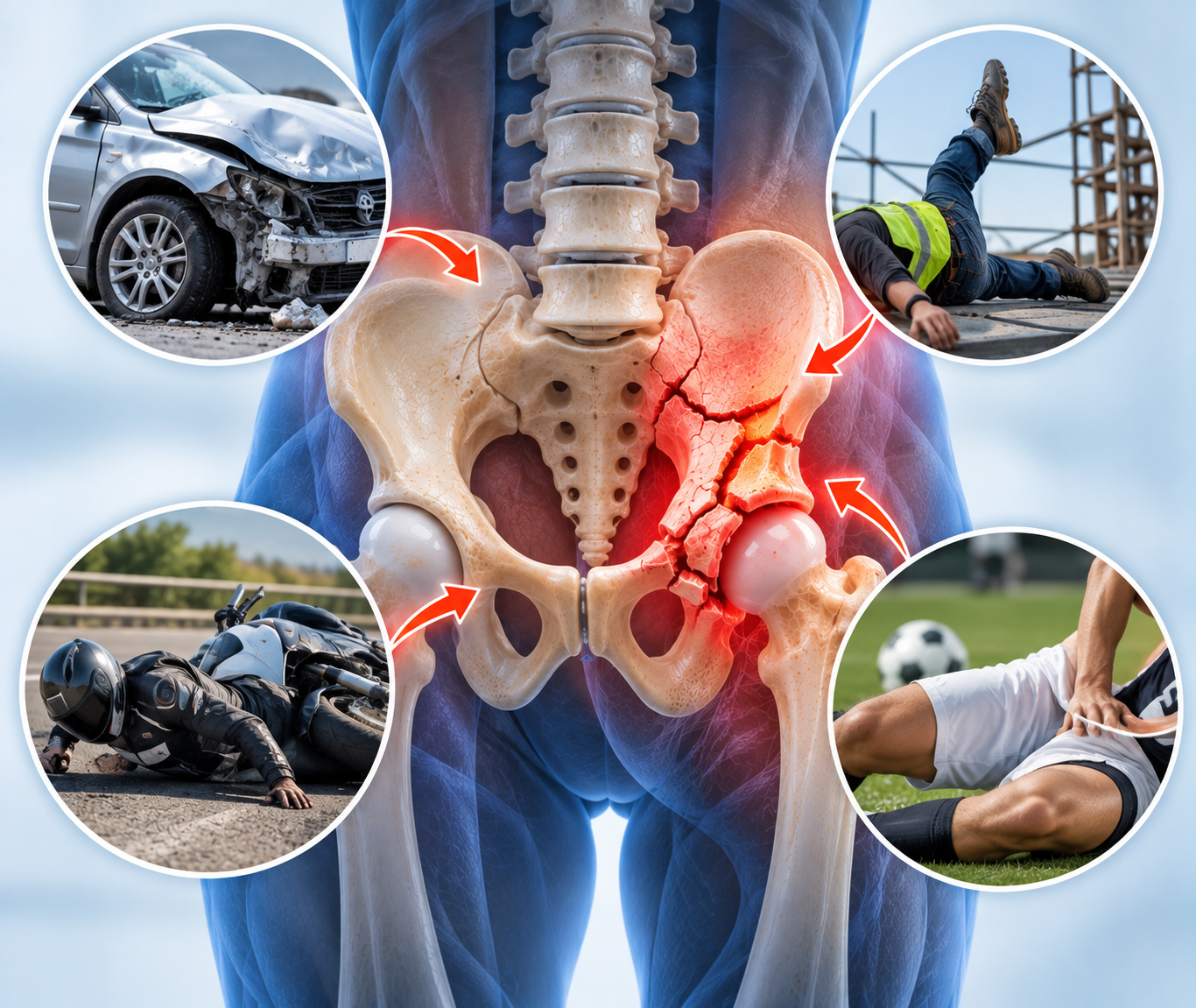
When high-energy impacts damage the hip socket or pelvic ring, specialized intervention is necessary to prevent permanent disability.
Severe Road Accidents: High-speed collisions often cause unstable pelvic ring fractures.
High Falls: Sudden impact can shatter the acetabulum (hip socket).
Restoring Alignment: Timely surgery aligns broken bones to prevent chronic pain.
Joint Preservation: Rebuilding the socket prevents early arthritis and delays hip replacement.
Expert Evaluation: Care from the Best joint replacement surgeon Bhadrak Nayagarh Bhubaneswar ensures proper emergency stabilization.
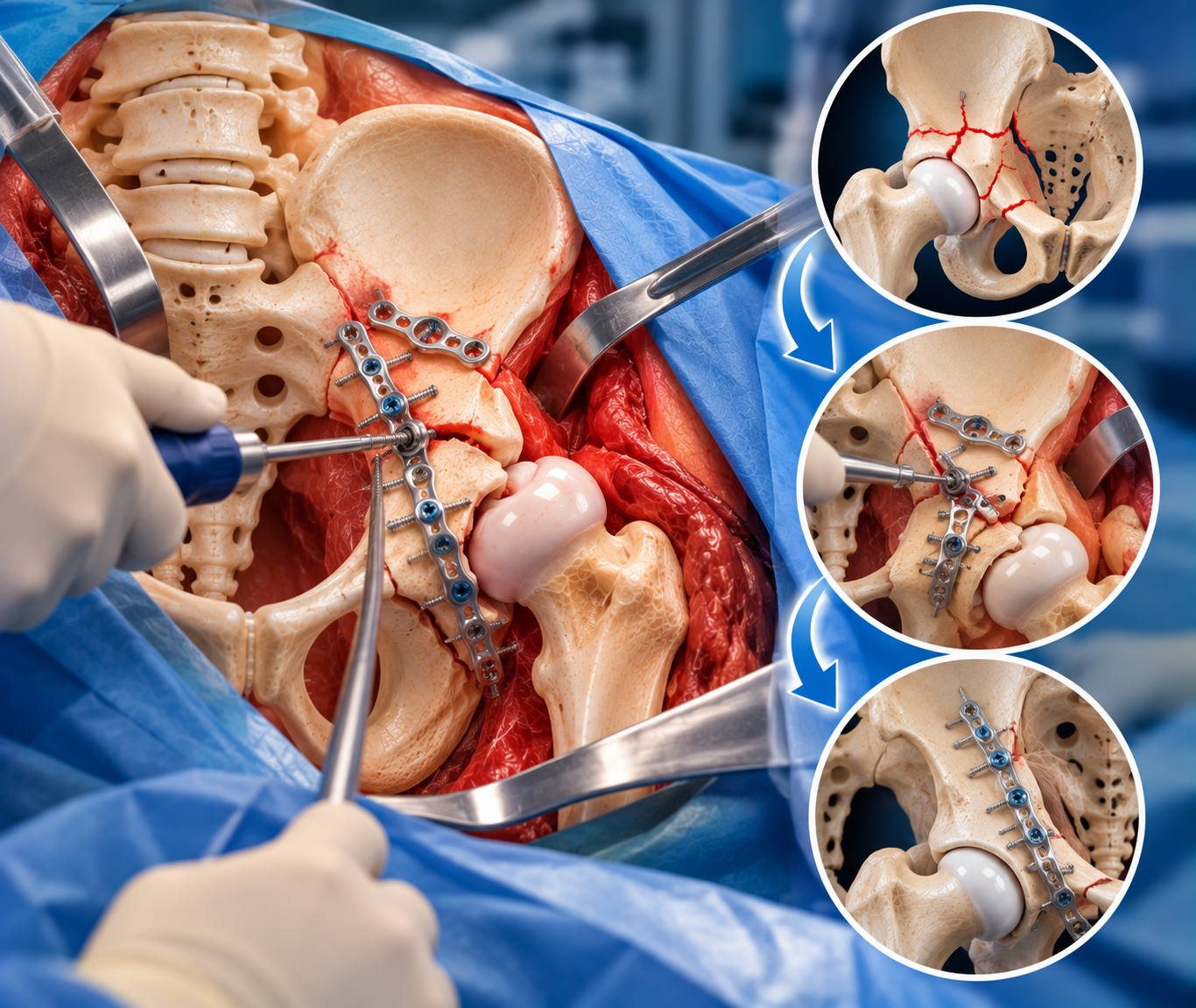
The procedure focuses on restoring bone position and securing the joint structure safely.
Pre-Op Imaging: 3D CT scans map complex bone fragments before surgery.
Incision & Exposure: A careful incision allows safe access around major nerves and blood vessels.
Bone Realignment: Broken socket and pelvic bones are repositioned with precision.
Internal Fixation: High-strength titanium plates and screws hold the bones firmly in place.
Stability Testing: The surgeon verifies joint stability and movement before closing.
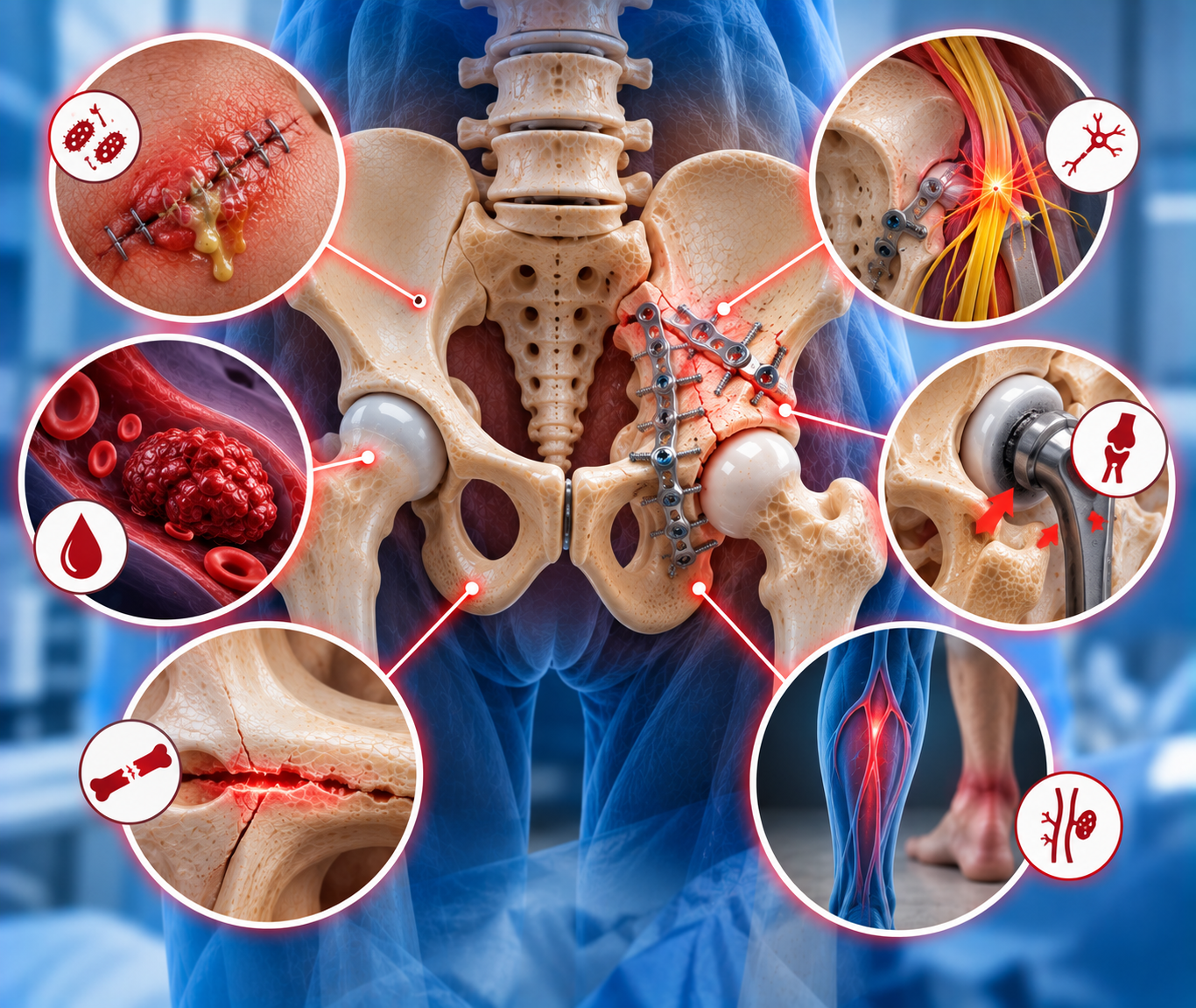
Complex pelvic operations carry potential risks that surgeons actively monitor and manage.
Blood Loss: Pelvic injuries involve extensive blood flow, requiring careful bleeding control.
Infection: Prevented through sterile protocols and targeted antibiotics.
Nerve Injury: Temporary numbness or weakness in the leg may occur.
Blood Clots (DVT): Managed with blood-thinning medications and leg pumps.
Post-Traumatic Arthritis: Treated with joint-sparing methods, or later total hip replacement if needed.
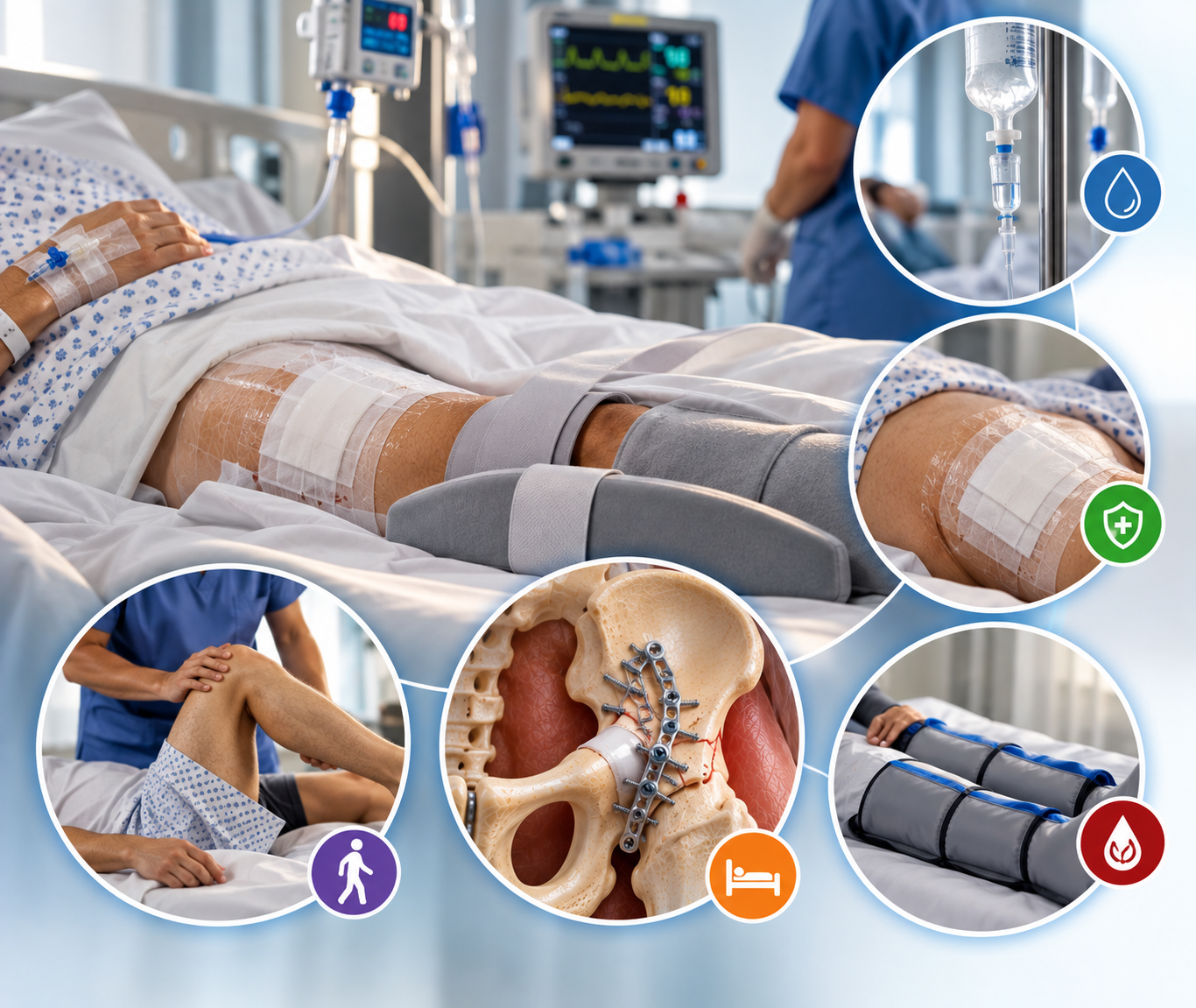
Initial post-operative care centers on pain management, wound safety, and monitoring.
Hospital Monitoring: Close observation of vital signs, fluid levels, and wound drains.
Pain Control: Structured medications keep discomfort manageable during early healing.
Clot Prevention: Safe movement exercises and compression stockings protect blood flow.
Wound Dressings: Clean, sterile dressing changes prevent surgical site infections.
Early Bedside Therapy: Gentle ankle pumps and leg breathing exercises start on day one.
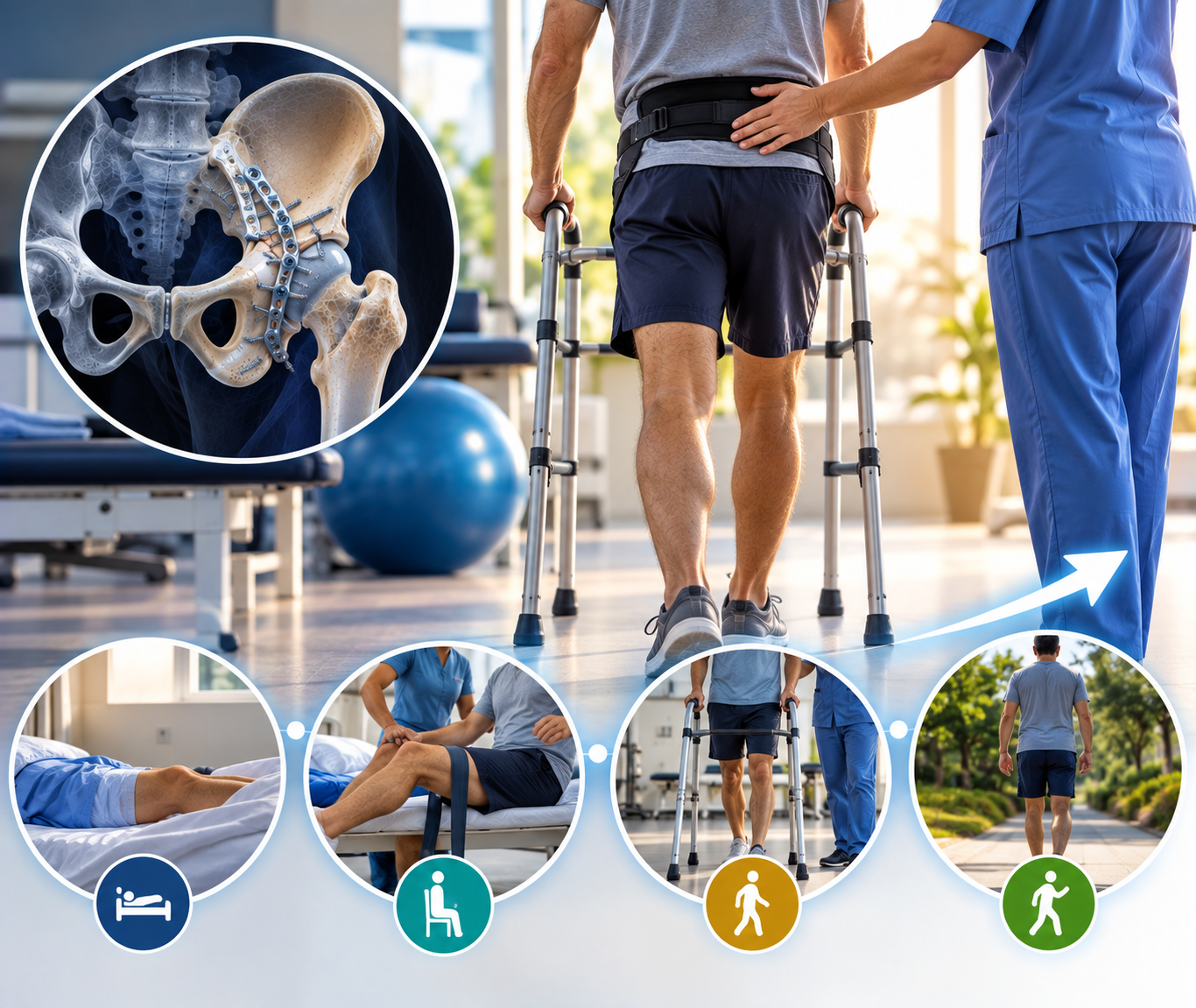
Structured healing and physical therapy help patients safely return to walking and daily tasks.
Restricted Weight Bearing: Crutches or a walker are needed for 6 to 12 weeks while bones fuse.
Guided Physical Therapy: Targeted exercises rebuild hip strength, stability, and motion.
Routine X-Rays: Periodic follow-up scans monitor bone healing and implant stability.
Gradual Walking: Patients progress from partial weight to full independent walking.
Regional Support: Regular follow-up reviews guide patients safely throughout recovery.
It is a specialized procedure that realigns and fixes broken hip socket and pelvic bones to restore joint stability and prevent permanent disability.
Pelvic fractures demand advanced reconstructive precision to preserve your native joint and prevent future arthritis or early hip replacement.
Patients avoid weight-bearing for 6 to 12 weeks, returning to normal walking within 3 to 6 months with guided physiotherapy.
Severe socket fractures carry an arthritis risk, but precise anatomical surgery minimizes damage; severe late-stage wear can be cured with hip replacement.
Copyright © 2026 | The Bone and Joint Clinic